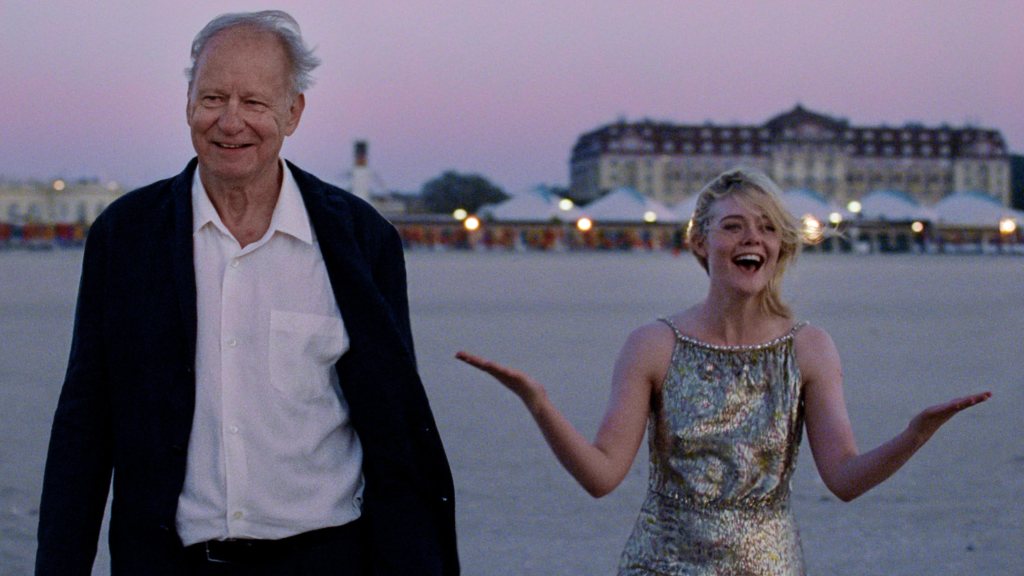
With Sentimental Value (2025), director Joachim Trier portrays life from its most intimate perspective. The narrative unfolds as a chronology of multigenerational trauma, told from multiple viewpoints, with the family home at its center as both nucleus and metaphor. Within that centuries-old house lie roots, memories, attachment, pain, and a structural flaw that feels like a condemnation present since its creation, akin to an original sin.
Gustav Borg (Stellan Skarsgård) is a veteran filmmaker who has not released a film in a long time. Now he has a new project—his most personal work. Gustav returns to his hometown for his ex-wife’s funeral and to reunite with his daughters. Nora (Renate Reinsve), the eldest, is a theater actress, and Gustav wants her to star in his new film. From this starting point, the script by Eskil Vogt and Joachim Trier begins to take shape, laying the groundwork for an intense family drama that spans multiple lives and generations.
The first major achievement of Sentimental Value lies in how it manages to develop four parallel dramas while also exploring past lives through memory and voice-over narration. The epicenter is Gustav and Nora, but orbiting them are Agnes (Inga Ibsdotter Lilleaas) and Rachel (Elle Fanning). Through the father-daughter relationship, Trier’s discourse leads us to confront moral dilemmas, while also opening a broader reflection on art, the artist, and creative work as a means of expiation. Gustav seeks absolution; the weight of his past is overwhelming, and he senses this may be his last chance to make amends.
Kasper Tuxen’s cinematography (Beginners, Riders of Justice) is an omnipresent protagonist. Most of Sentimental Value unfolds indoors, yet the framing and camera movement are striking. The film also finds fertile ground in its magnificent performances: close-ups draw us deep into the souls of the characters, and their expressions communicate what words cannot.
The house remains a witness to time; the crack is the trauma that stays rooted in the same place. With Sentimental Value, Trier does not aim to analyze emotional wounds from a psychological standpoint. Instead, his proposal urges us to feel and experience the complexity of human relationships and the labyrinths of the past that shape our present. The ending is poetic, emotionally powerful, and a perfect fusion of life and art.
 The Last Movie Guy