Oppenheimer is the twelfth feature film in the work of English director Christopher Nolan. A lot has changed since 1998 which saw his debut with Following, a work that has gained a cult status over the years. But Memento (2000) was the film that would put him on the radar of many moviegoers and would open the way for him to the Hollywood industry where Nolan has reaped all his successes ever since.
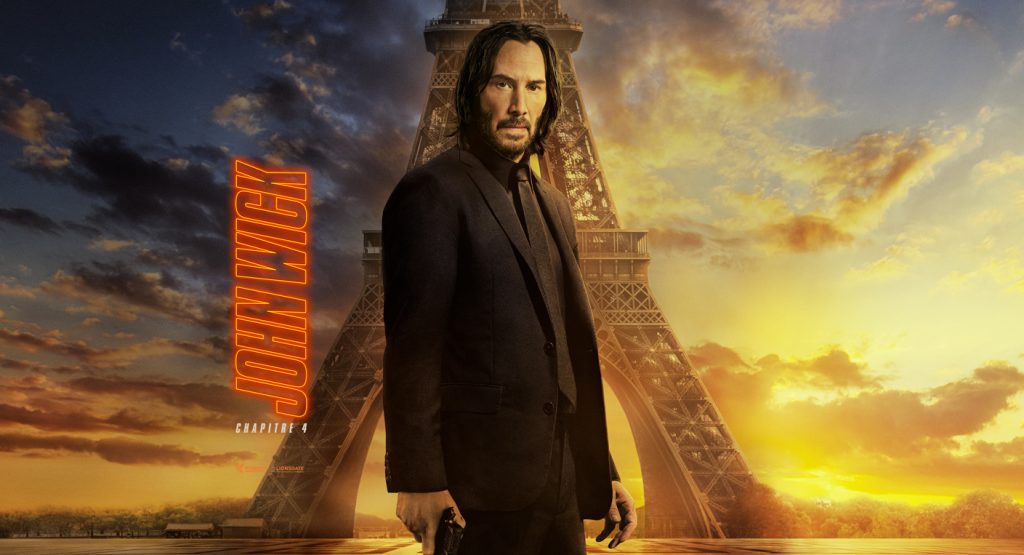
The John Wick franchise has created a modern action hero. A throne for which few have paraded in the more than 100 years of the Hollywood industry. In the era of superheroes, television series, and social networks, the grim character in the black suit, with an unfocused look and superhuman skill in handling weapons, has managed to prevail and challenge any form of entertainment that comes out to the public. This John Wick is not a character engendered from the codes of the Instagram and TikTok generation, he is a protagonist conceived almost anachronistically. It could well have been a John Wayne, a Stallone, an Arnold, a Van Damme, or a Bruce Willis. His feat is only compared to what Tom Cruise does these days, where a suit and cape weigh more than anything else.
As if another example were needed that reality is always stranger than fiction, now comes the story of a bear under the influence of cocaine. What Cocaine Bear shows is the result of fiction, but the idea is inspired by a fact as real as that water is wet. In December 1985, a short piece appeared in The New York Times with the headline: “Cocaine and a Dead Bear.” The note referred to the discovery of a black bear that had apparently died of an overdose. In the final part, it was remarked that the substance was cocaine that had been thrown from a plane by a well-known trafficker who had also died trying to complete a parachute jump from the same plane.
Paint your village and you will paint the whole world.
Leo Tolstoy
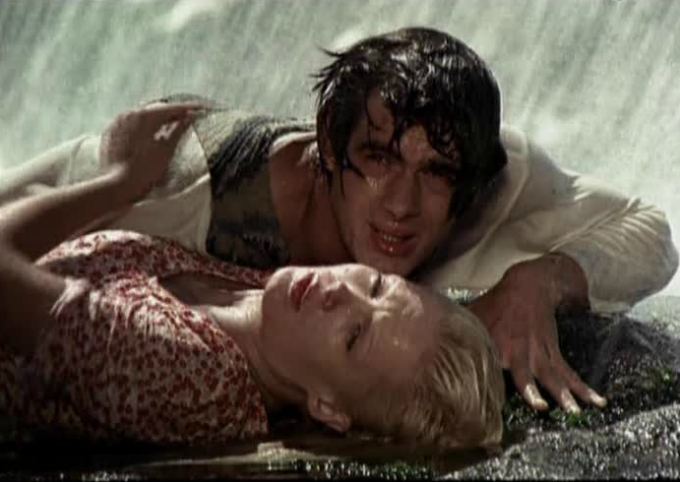
Leonardo Favio knew that very well. It is as if it were impregnated in his DNA, because he did nothing more than shout to the world the trifles, the details, the most intimate of his “village”. With Nazareno Cruz and the Wolf the Argentine director’s bet was quite risky. Now he was not talking about the oppressed children’s victims of a political and social system like in Chronicle of a Boy Alone (1965), nor about the legendary gaucho of Juan Moreira (1973), now he turns to a character that comes from the Guarani mythology. And we say risky because it is not one of those classic figures from Greek or Norse mythology, it is a figure that has limited relevance within a less widespread culture.
I started writing about movies in 2011 but my passion with films dates way back. As far back as I can remember I always wanted to be a gangster…Oh wait, that’s not what I meant. That was the old Henry Hill from Goodfellas (1990) taking over. But in a more serious tone as far back as I can remember I have been connected to the movies. Every aspect of my life tend to revolve around a movie line, a frame or a character. From remembering the first movie I watched on the big screen to recall what movie I was watching when my beloved father passed away.
Even when I have been expressing my opinion about films in print, radio and tv for a long time this is the first time I will be posting in English. My reviews and articles have always been in Spanish, my native tongue, but now I have decided to get out of the comfort zone and try to reach a different audience. Hope this is the beginning of a beautiful friendship and that at some point we could say that we are going to need a bigger boat!


 The Last Movie Guy