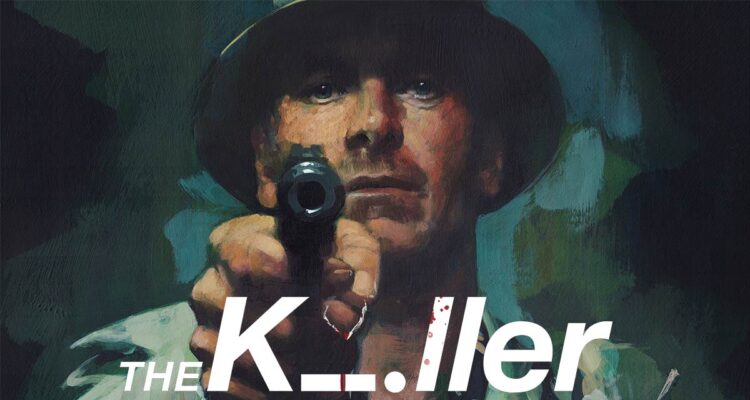
I come to David Fincher’s The Killer with eagerness. I am driven by a longing to find the Fincher from Se7en (1995) or perhaps the one from Zodiac (2007). My search does not seek comparisons but to come across the visual style and the unique staging that have made the North American director a reference in the film industry. I am inclined to specifically mention those two films from his filmography because The Killer invites us into a world that beats the rhythm of murderers and emotionally complex characters. In the end, I leave this meeting recognizing the work of an experienced director, who knows the job and demonstrates it but who does not leave his mark with the impetus with which he did before.
Michael Fassbender plays an experienced hitman who sees his world come crashing down when things don’t go according to plan at his latest job. Fassbender has nothing to prove in terms of his ability to play any character and here once again he shows us his great talent. This murderer with his existential dilemmas who proclaims professionalism above all else captures us and forces us to feel all the emotions of his frenetic career with him. Fincher returns to his neighborhood, dragging us into the decadence and loneliness of a murderer who is forced to introspect while trying to save his skin.
The screenplay by Andrew Kevin Walker (Se7en, Sleepy Hollow) is based on a graphic novel by Alexis Nolent and illustrated by Luc Jacamon. The story is segmented into chapters that move the action through different parts of the world. The episodic narrative imbues the film with a touch of monotony. Although we understand that Fincher wants the audience to feel the same weariness that overwhelms the protagonist, we long for those moments that forcefully break the slow and sober rhythm. The Killer works better conceptually than in execution. Fassbender easily masters his character and technically the film has no flaws, but in Fincher’s universe, he feels like a piece that has a hard time fitting together.
A Killer With A Conscience
Along with the voice-over, the other resource that The Killer uses perfectly is the soundtrack. Both diegetic and incidental music fit perfectly into each sequence. The best example is that fabulous opening sequence that stretches and stretches but ends masterfully. The opening is the moment where Fincher shines the most, the director deploys his entire creative arsenal and Fassbender grows to achieve an impeccable sequence. In each chapter, the film leaves us with a meeting of our murderer interacting with his opponents in tense conversations that inevitably lead us to a forceful ending.
Fincher appears but The Killer does not show his best form. The film teeters between finding its rhythm and losing it. Fassbender is everything, but the universe he inhabits feels unbalanced and the purpose is at times diluted. Episodes of light save the film, moments that undoubtedly point to a master dominating the staging. For a master of cinema, this is a minor episode.
 The Last Movie Guy